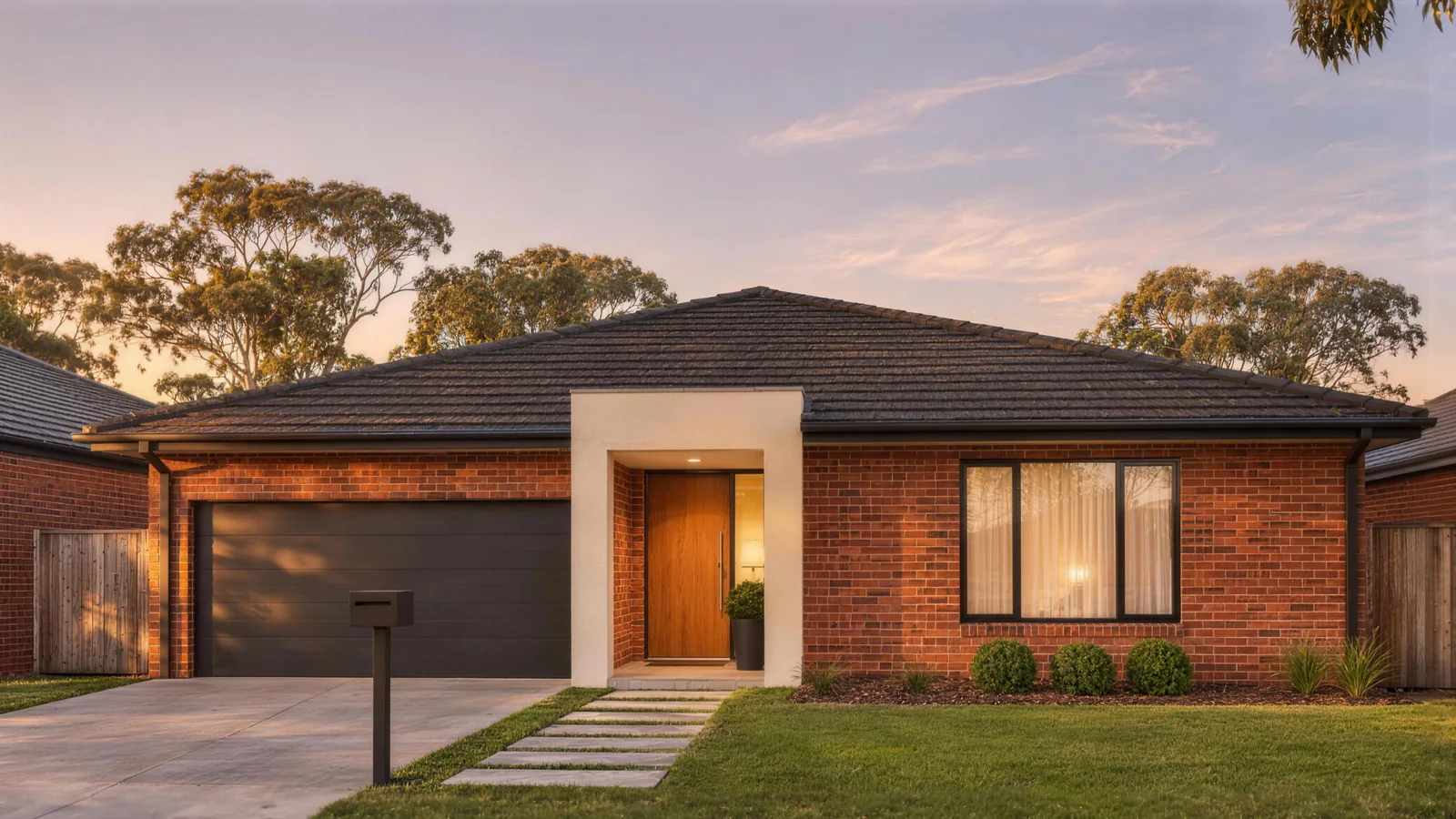
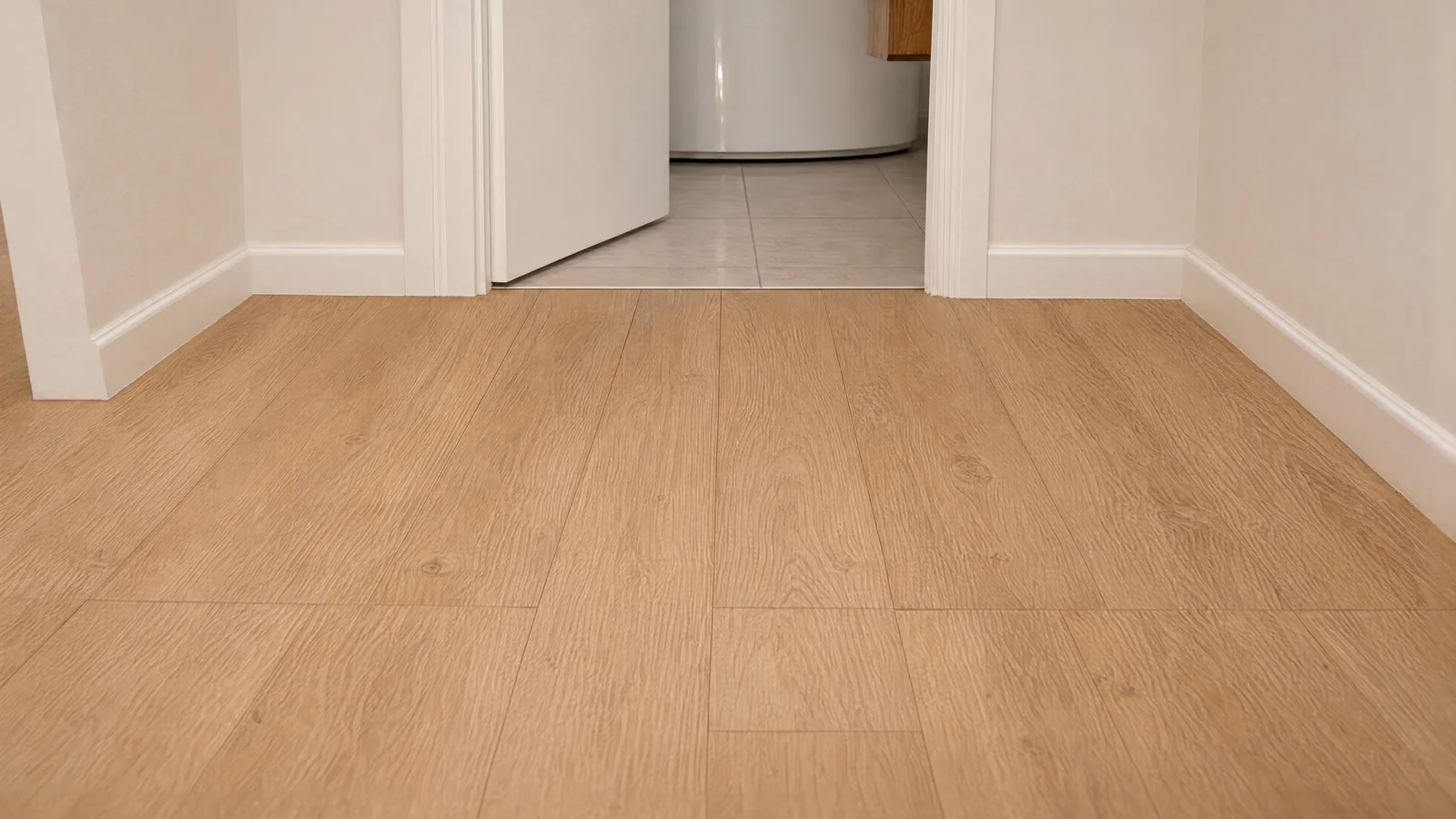
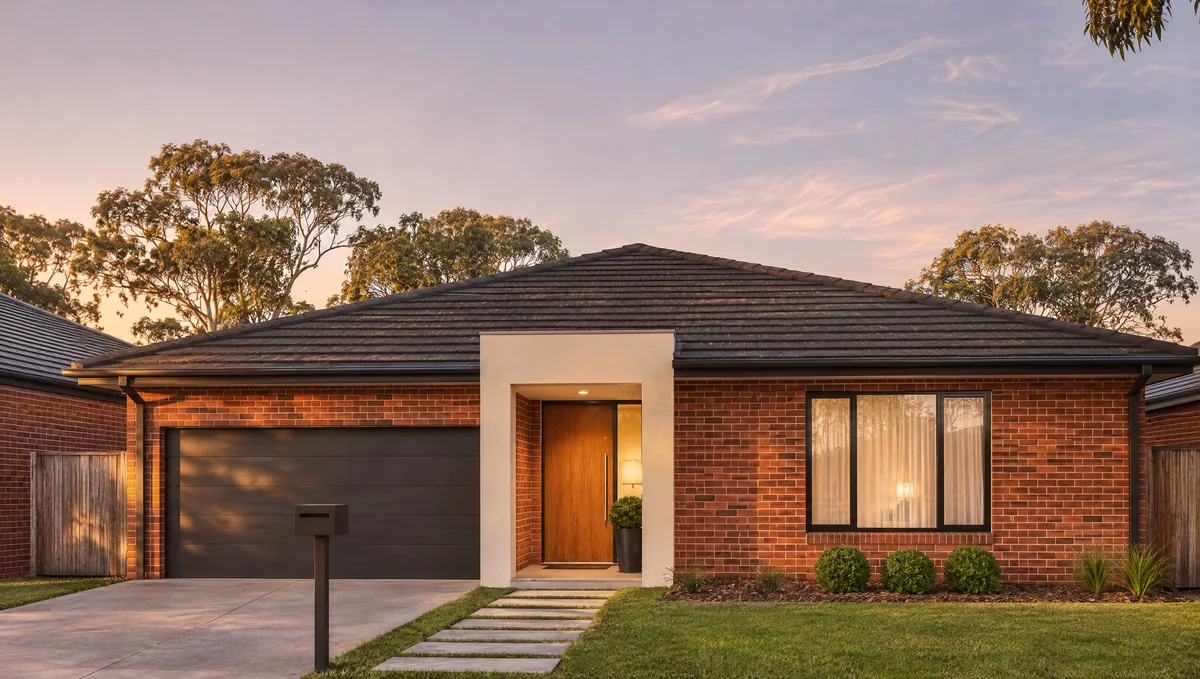
A single-storey brick house at golden hour, with a tiled roof, a rendered entry, a timber front door and a lawn.
Coming soon · by Site Inspections

It looks perfect. Look again.

Learn how homes are built and where they go wrong, from the people who inspect them.

Outside · 1 of 6

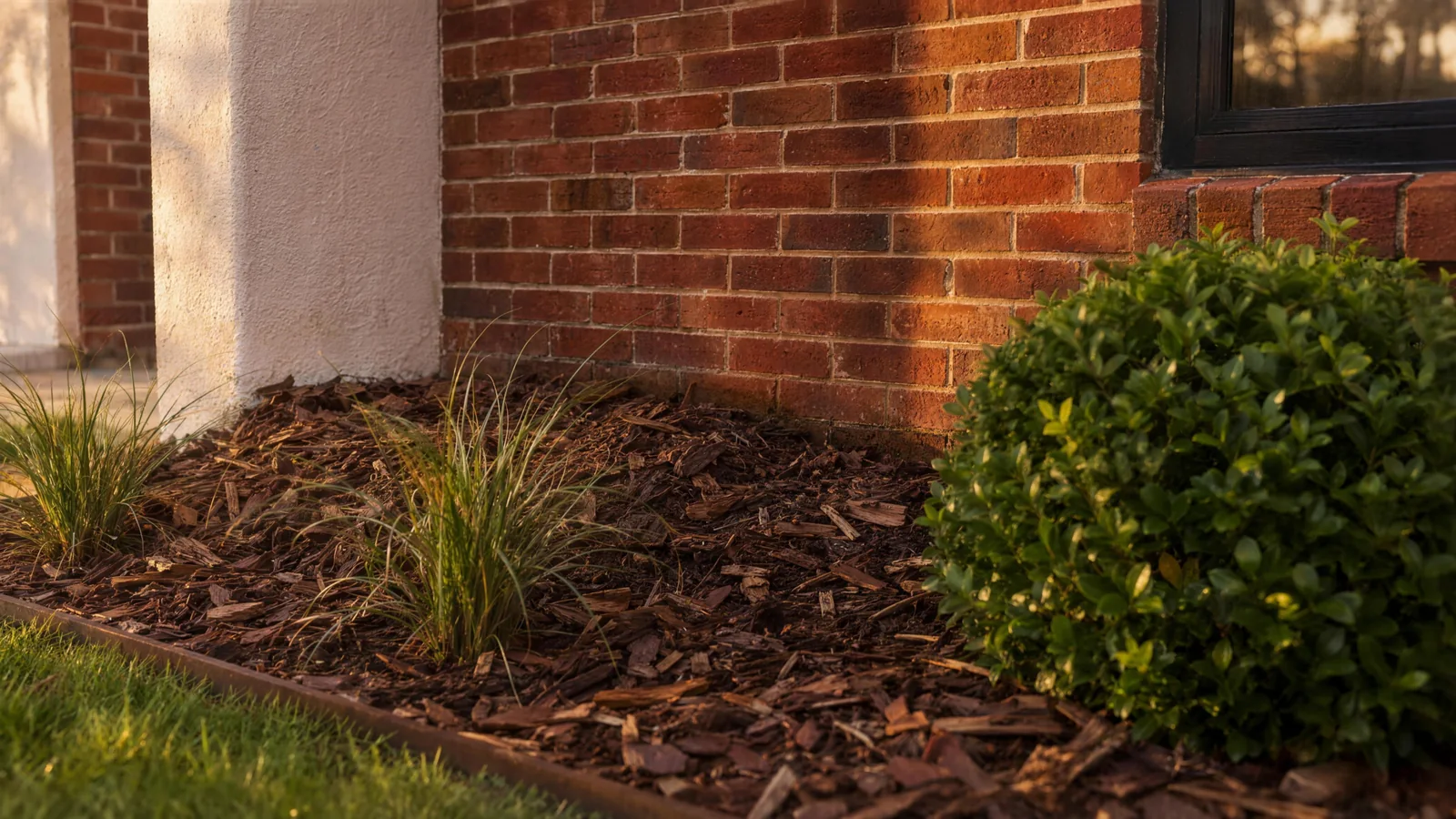
The garden bed is built up against the wall.

Look at how high the mulch sits on the brickwork.

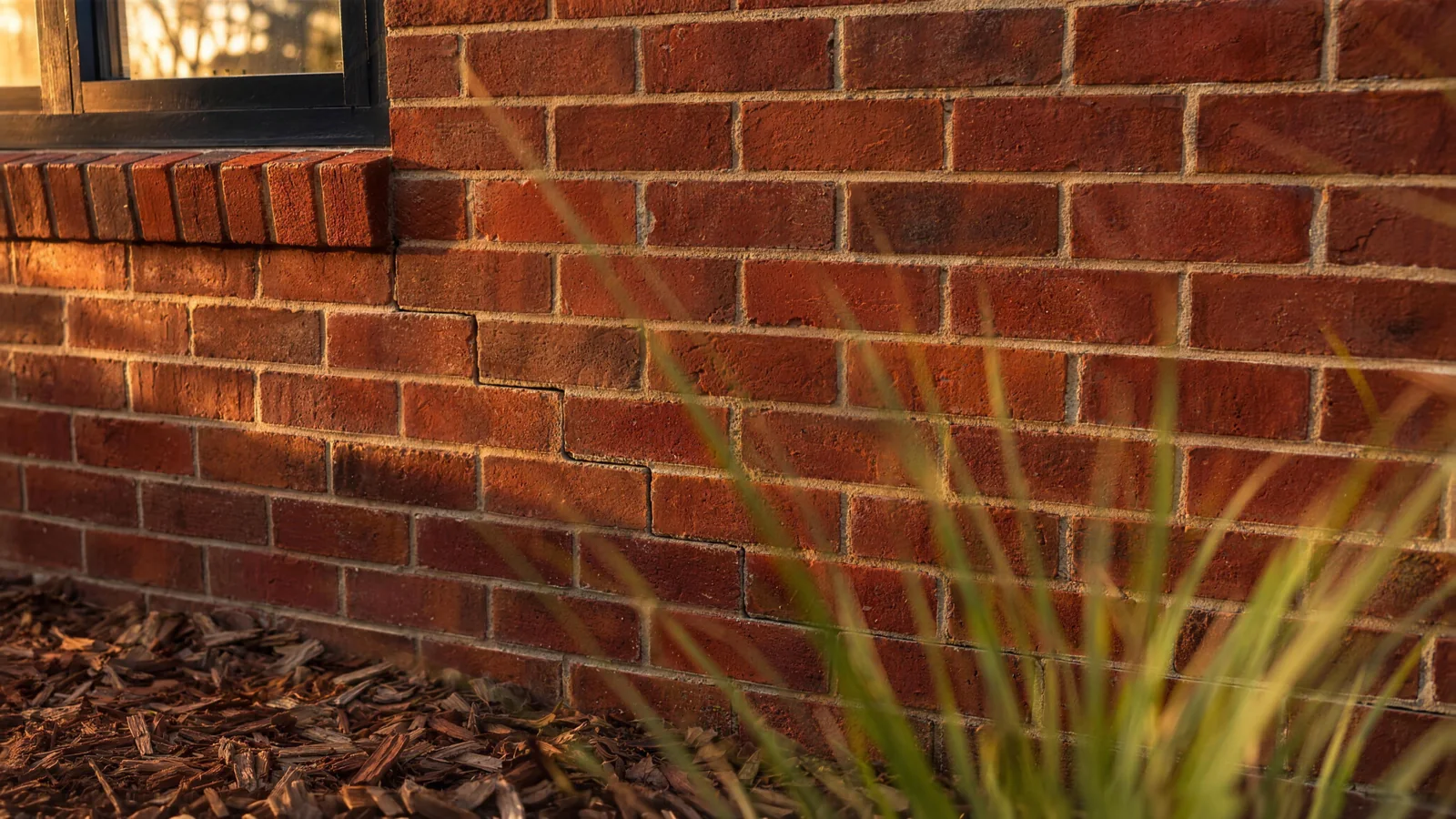
Outside · 2 of 6

A crack that steps down through the joints.

Under the corner of the window, following the mortar like a staircase.

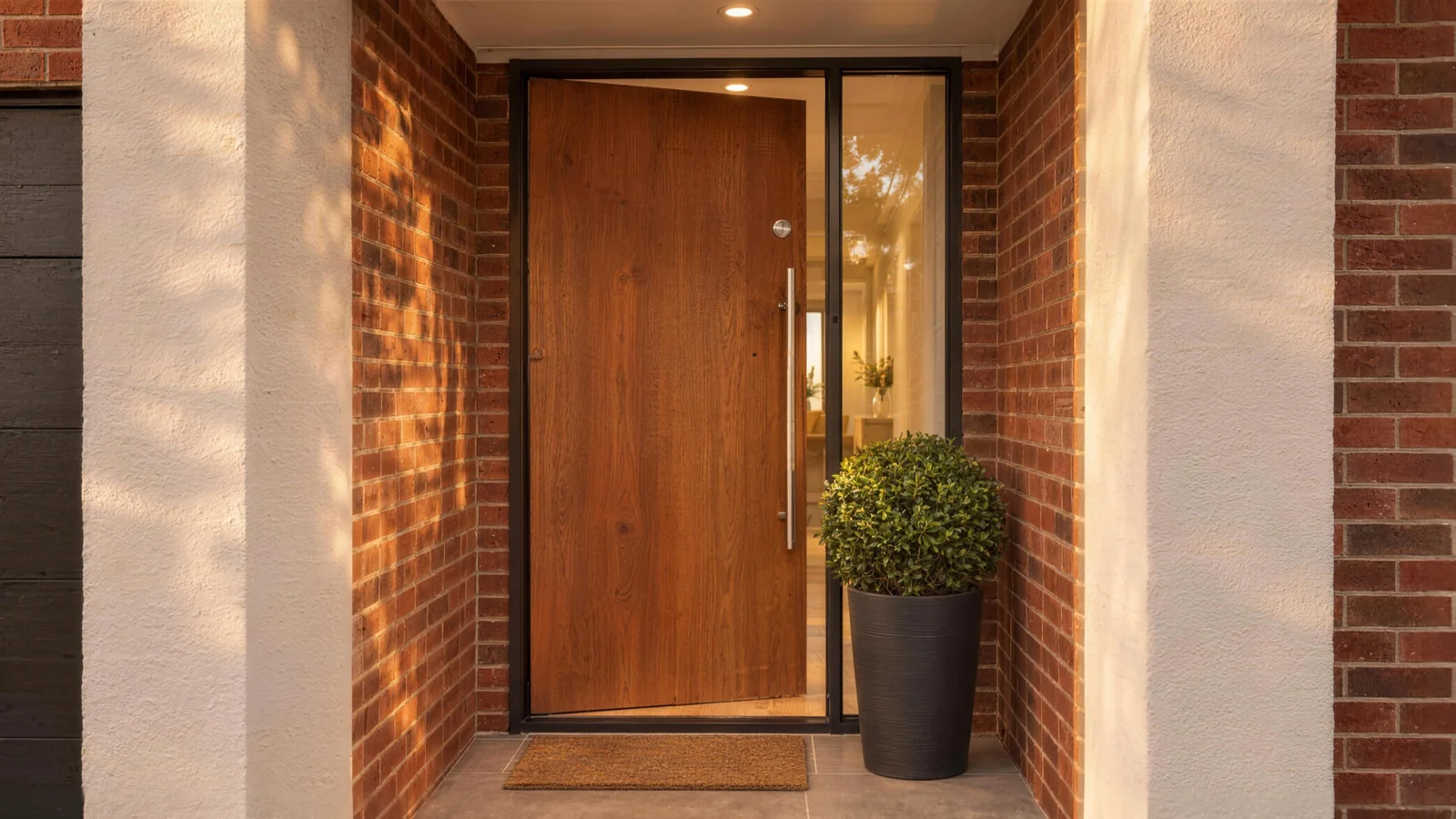
The front door

Come inside.

The street view was the easy part.

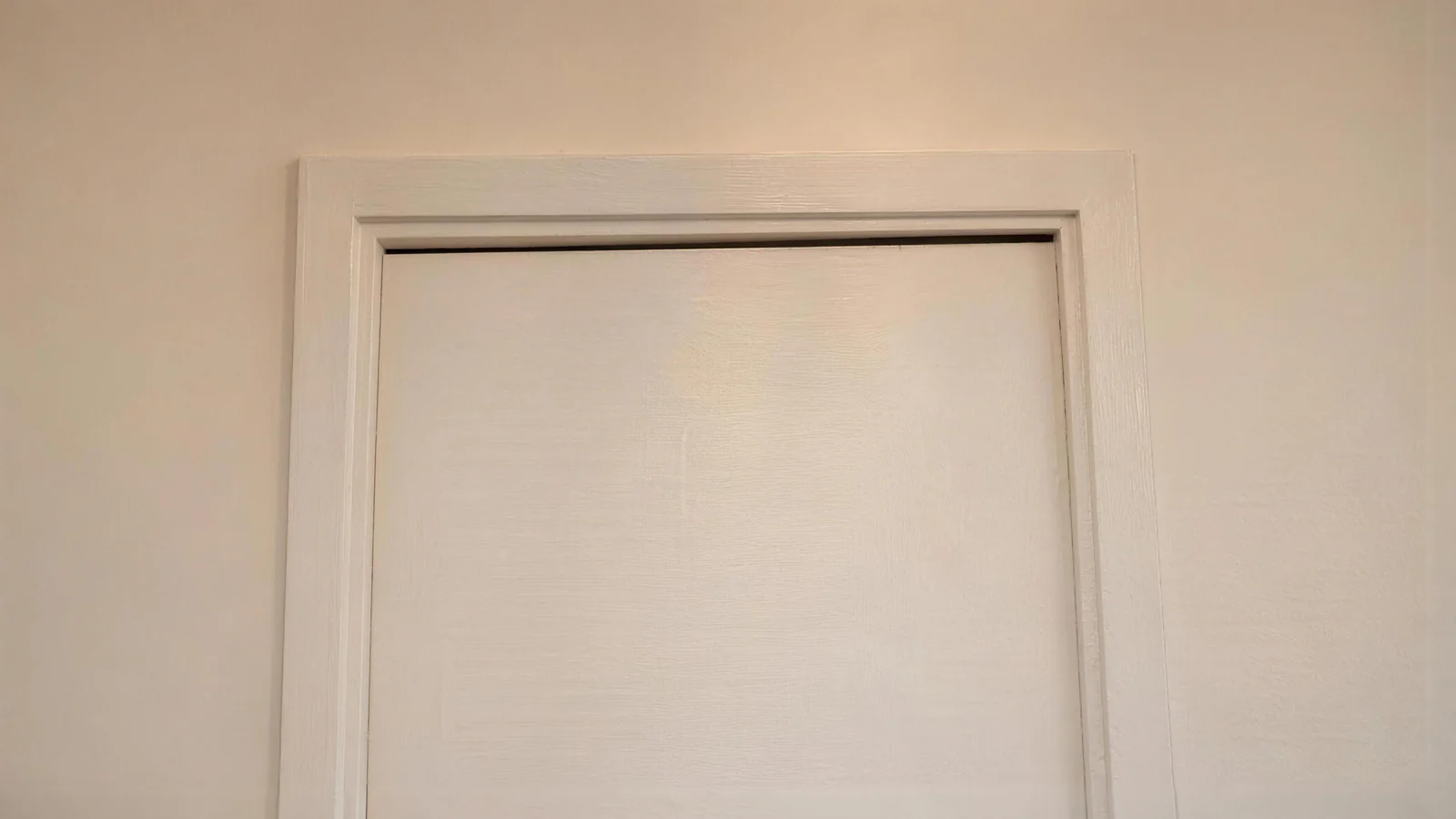
Inside · 4 of 6

A door that does not sit square.

The gap over the top is tight at one end and wide at the other.

Inside · 3 of 6

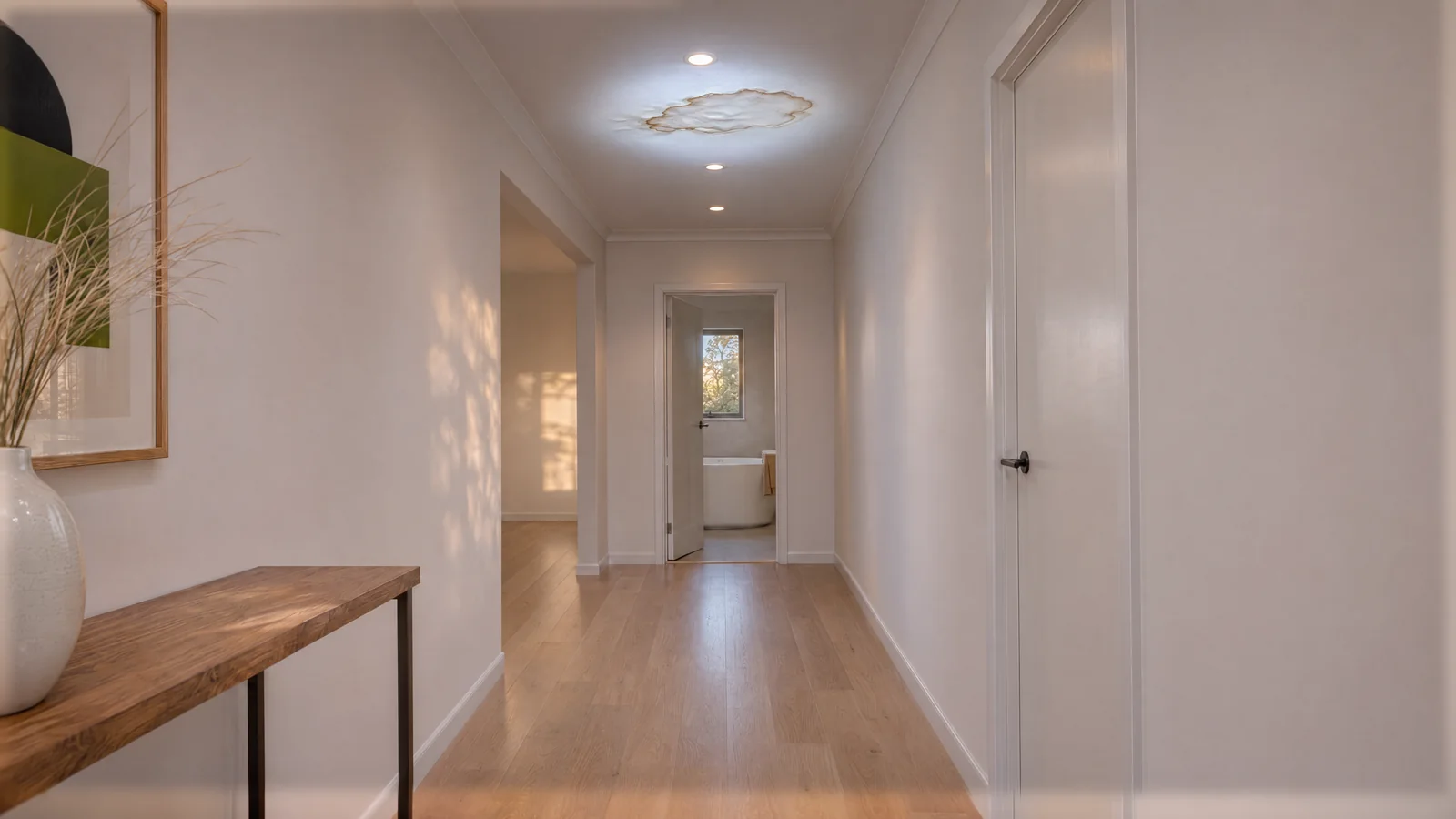
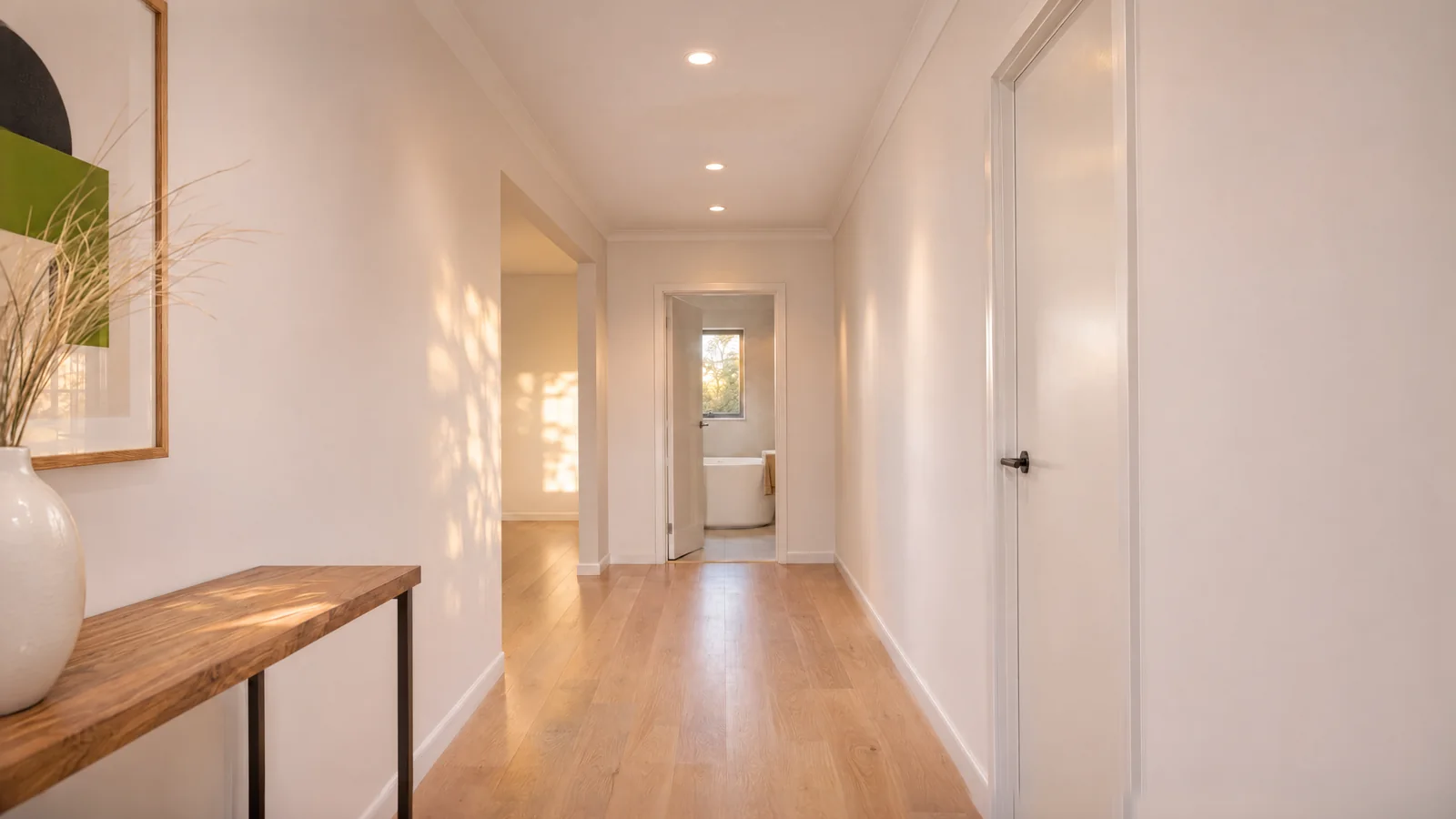
The hallway ceiling looks clean.

In the room’s own light there is nothing to see. Put a torch on it.

Inside · 3 of 6

There it is. A stain with a brown edge.

Look up, with a torch. Most people at an open home never do.

Inside · 5 of 6

The door frame and the skirting look sound.

Light from above hides it. Lower the torch until the light runs along the timber.

Inside · 5 of 6

There it is. The timber is swollen and cracked.

At the bottom of the door frame and along the skirting beside it.

Inside · 6 of 6

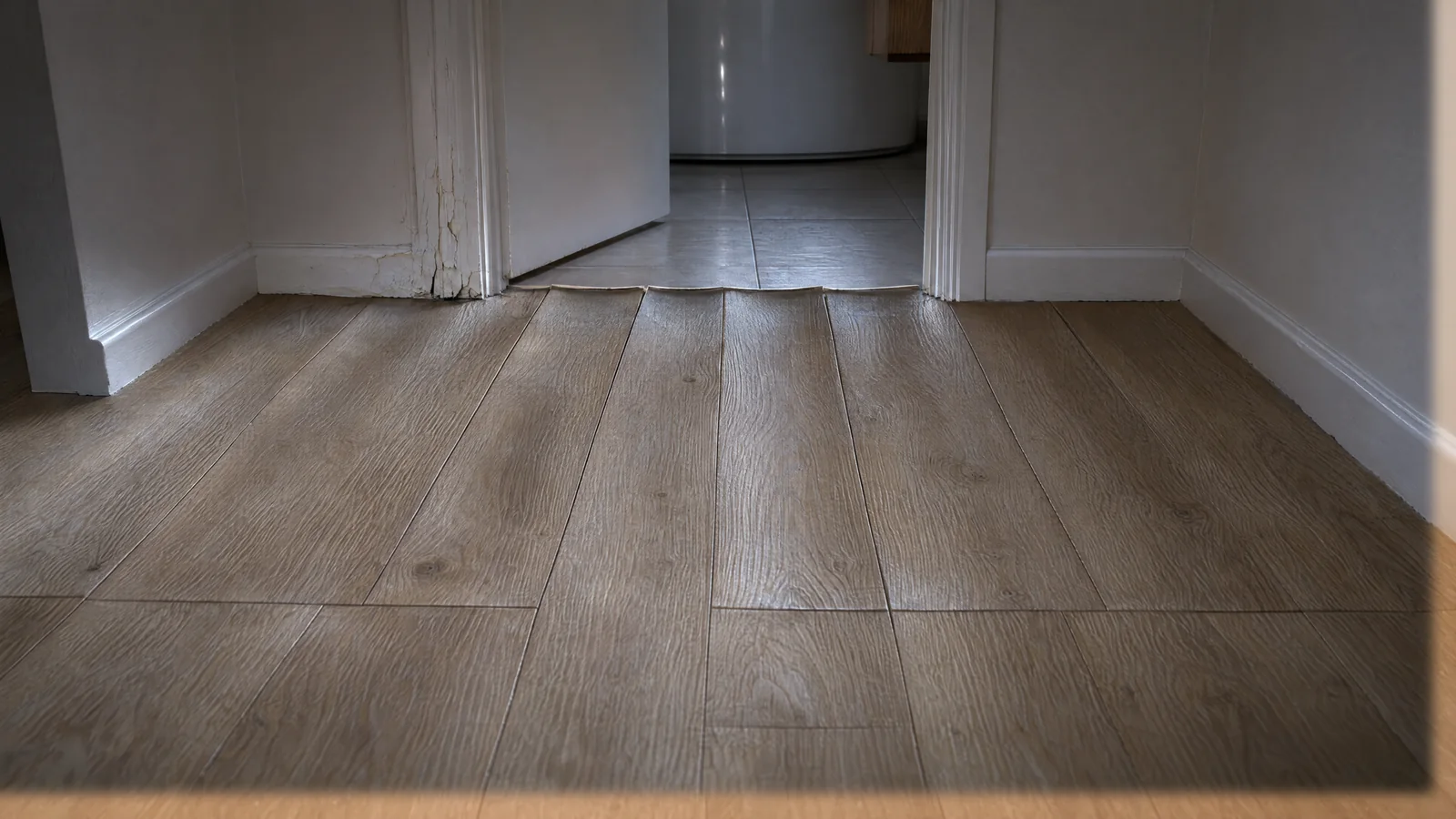
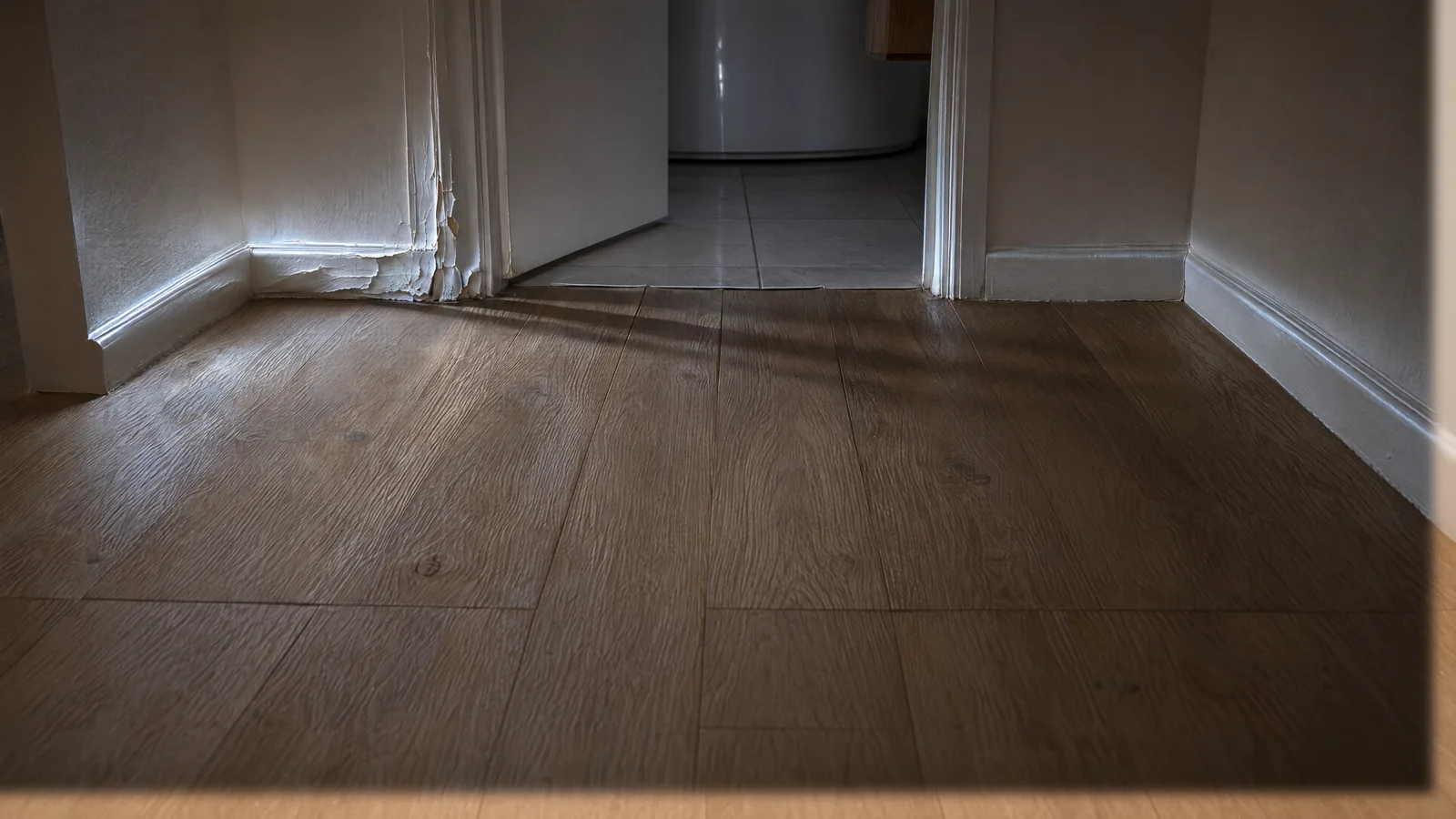
The floor looks flat.

From above, it does. Lower the torch and send the light across the boards.

Inside · 6 of 6

There it is. The boards are cupped.

Each board’s edges stand up, and the ends have lifted where they meet the tiles.

Under the floor

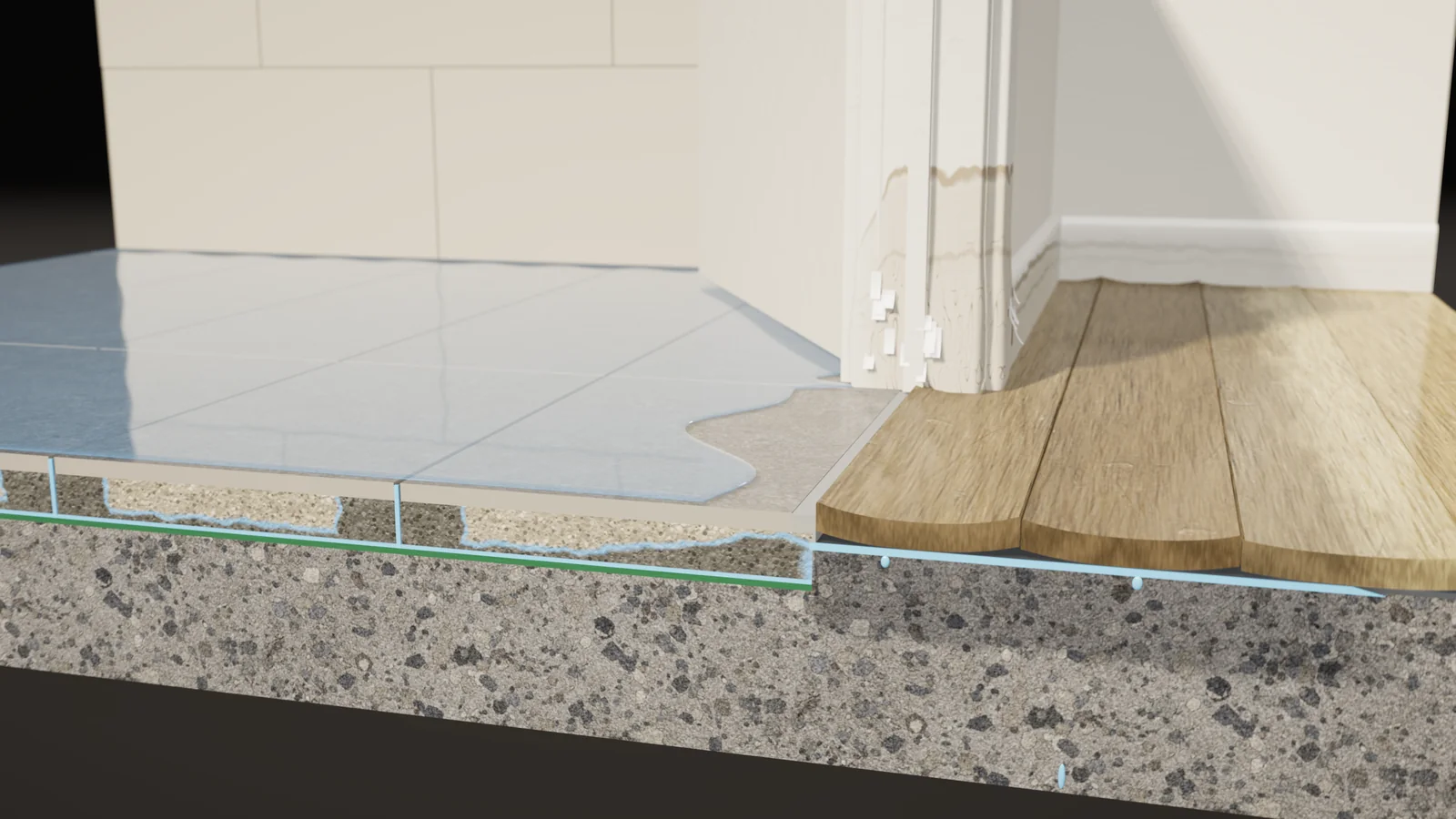
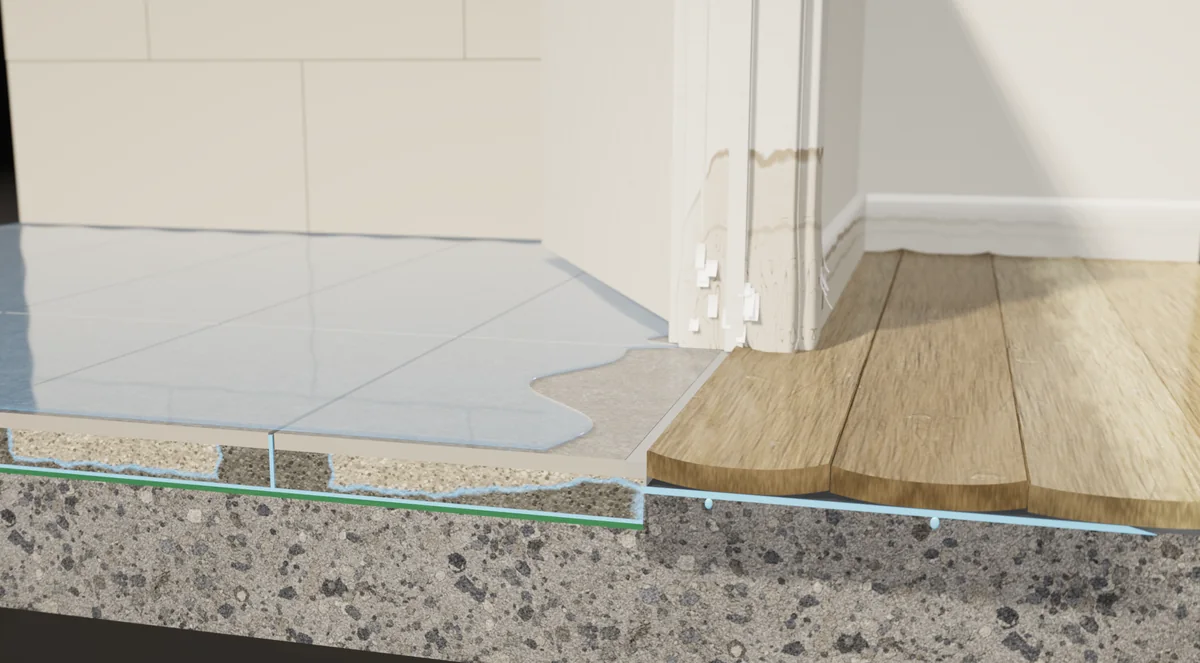
So we cut the floor open at the door.

From here on it is our drawing, not a photo.

Our explanation

There is no waterstop at the door.

Water under the tiles sits on the green membrane. At the door the membrane ends, and the water runs on, under the boards.

Six things in one ordinary house.

Would you have seen them?

Scroll to walk in
Move the torch
A single-storey brick house at golden hour, with a tiled roof, a rendered entry, a timber front door and a lawn.
Coming soon · by Site Inspections
It looks perfect. Look again.

Learn how homes are built and where they go wrong, from the people who inspect them.

  1. A garden bed beside the entry. Mulch is heaped against the brick wall of the house.
    Outside · 1 of 6

    The garden bed is built up against the wall.

    Look at how high the mulch sits on the brickwork.

  2. Brickwork under the corner of a window sill. A crack steps down through the mortar joints, brick by brick.
    Outside · 2 of 6

    A crack that steps down through the joints.

    Under the corner of the window, following the mortar like a staircase.

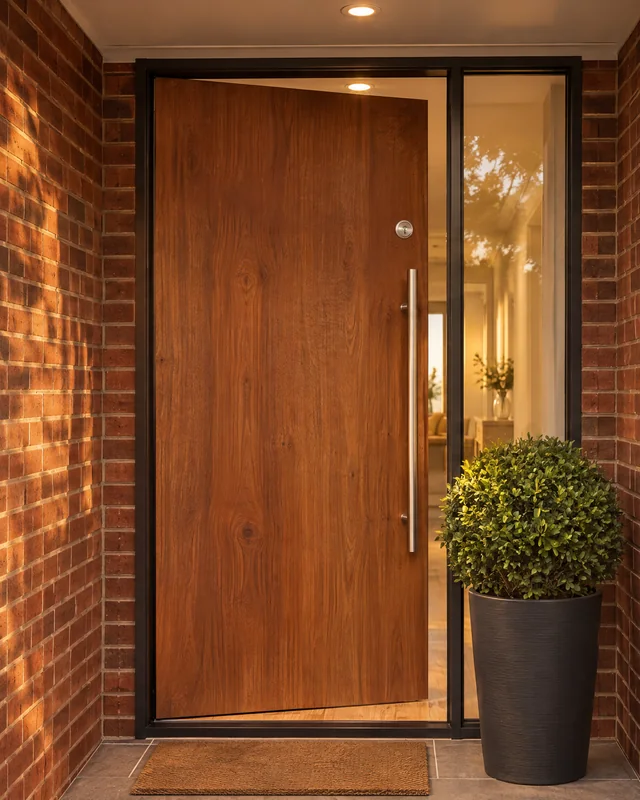
  3. A timber front door standing a little open, with warm light inside and a pot plant beside it.
    The front door

    Come inside.

    The street view was the easy part.

  4. A bright hallway with a timber floor. The ceiling looks clean.
    In the room’s own light
    The same hallway. A torch is on the ceiling, and inside its light there is a stain with a brown edge.
    With a torch on the ceiling
    Inside · 3 of 6

    A stain on the ceiling that only a torch shows.

    Look up, with a torch. Most people at an open home never do.

  5. The top of a closed door in its frame. The gap above the door is wider at one end than at the other.
    Inside · 4 of 6

    A door that does not sit square.

    The gap over the top is tight at one end and wide at the other.

  6. A bathroom doorway seen from the hallway, in bright, even light. The door frame, the skirting and the floor look sound.
    In bright, even light
    The same doorway with the room dark. A torch held low lights the skirting and the bottom of the door frame from the side. The timber there is swollen and cracked.
    A torch held low, along the frame and skirting
    The same doorway with the room dim. A torch held low sends light across the floor. The edges of each board stand up, and the board ends have lifted at the tiles.
    A torch held low, across the floor
    Inside · 5 and 6 of 6

    Swollen timber and cupped boards that only a low torch shows.

    The door frame and skirting are swollen and cracked. The edges of each floor board stand up.

  7. A drawing in 3D of the doorway cut through the floor: tiles and their bed on a green membrane, the concrete slab, and timber boards on the hallway side. There is no waterstop. Water lies on the membrane and has run past its edge under the boards.
    Our drawing, not a photo
    Our explanation

    There is no waterstop at the door.

    Water under the tiles sits on the green membrane. At the door the membrane ends, and the water runs on, under the boards.

Two courses

Which one are you?

Choose one to see your course.

Two separate courses, for two kinds of people. Neither is a step to the other.

A single-storey brick house seen from the street at golden hour.
For home buyers I am buying a homeThe pre-purchase courseShow me the buyers’ course
A bathroom doorway cut through the floor, drawn in 3D: tiles, the layers under them, the concrete slab, and timber boards on the other side of the door.
For people who inspect, or want to I inspect homes, or want toThe Inspector’s EyeShow me The Inspector’s Eye
For home buyers

The pre-purchase course

Walk through any house and know what you are looking at, what to ask, and what it means for your decision.

After it, you can
  1. 01LookKnow where to look in every part of a house, from the street to the roof space.
  2. 02AskKnow what to ask before you sign, and what to take to your conveyancer.
  3. 03DecidePlace each thing you find, from cosmetic to deal-breaker, and decide for yourself.
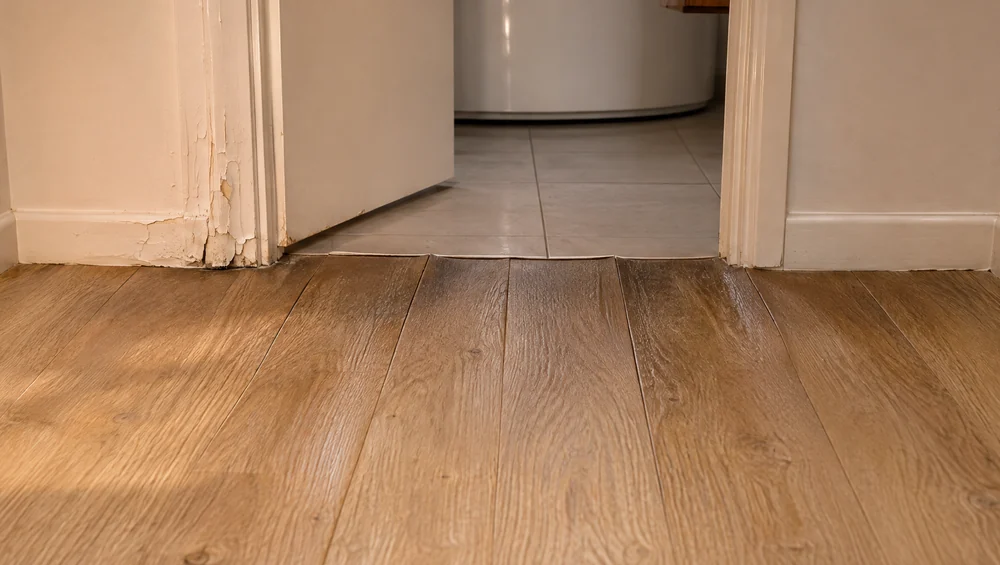
A hallway floor of timber boards, outside an open bathroom door. Tiles can be seen through the door.
A taste of the course · about 20 seconds

Spot it.

You are in the hallway, outside the bathroom door. Tap the three places you would look at more closely.

  1. 1The paint at the bottom of the door frame is cracked and flaking.
  2. 2The ends of the boards have lifted where they meet the tiles.
  3. 3The boards near the door are darker than the boards further out.

Why it is worth it

A report is about one house. This goes to every house.

  1. A single-storey brick house seen from the street at golden hour.
    01Before you choose, not after.

    An inspection report is about one house, after you have chosen it. The course goes with you to every open home, before you choose.

  2. A hallway. A torch is on the ceiling, and inside its light there is a stain with a brown edge.
    02About a quarter of an hour.

    Zeher’s experience: an open home runs about 15 minutes, and an agent is talking to you. The course teaches where to look first, and what to ask.

  3. A hallway floor of timber boards, outside an open bathroom door.
    03Your own checklist, on your phone.

    What you learn goes onto your own walk-through checklist. It is on your phone when you are standing in the room.

  4. A doorway with the room dark. A torch held low shows swollen, cracked timber at the bottom of the door frame.
    04Taught by someone who inspects homes.
    Zeher Khalil is Chief Inspector at Site Inspections. The course shows you what he looks for on site.

It does not replace a building inspection. It teaches you what to look for, and when to call an inspector.

What is inside

Eleven short modules, in the order you walk through a house.

In each one there is something you play with, so you remember it when you are standing in the room. You finish with a checklist on your phone.

  1. 01Start here: the paper audit
  2. 02Arrival: street and front yard
  3. 03Walk-in: the distractionsFree
  4. 04Bathrooms
  5. 05Kitchens and laundries
  6. 06Bedrooms and living: reading movement
  7. 07Balconies and decks
  8. 08Doors and windows
  9. 09Roof space
  10. 10Damp, and when to call for pests
  11. 11Bonus: the contract

Be told when it opens.

One email, when SiteLearn opens. We will note that you are buying a home.

Join the waiting list
For people who inspect, or want to

The Inspector’s Eye

For anyone who needs to look at building work and know if it is right. It starts from zero.

After it, you can
  1. 01Know itKnow how each part of a house is meant to be built, one trade at a time.
  2. 02Spot itSee where the work on site is not how it is meant to be.
  3. 03Write itWrite each finding up clearly, with photos as evidence.
A bathroom doorway cut through the floor. Tiles on a bed of sand and cement, a green membrane under the bed, the concrete slab, and timber boards on the other side of the door. A small metal angle sits at the door line.
A taste of the course · from Module 06, Waterproofing

Know it: the waterstop.

The same doorway, cut through the floor, with no waterstop. Put the waterstop in, then run the water.

DryWater runsLater

Why it is worth it

Built for the site, one trade at a time.

  1. A drawing in 3D of a bathroom doorway cut through the floor: tiles, a green membrane, the concrete slab, and timber boards.
    01One trade at a time.

    There is one module for each trade, in the order a house is built. You meet each trade when it happens on site.

  2. Brickwork under the corner of a window sill, with a crack stepping down through the mortar joints.
    02Every lesson starts from zero.

    Site words first, the proper term once, one idea at a time. It is written for the person who knows least.

  3. A bathroom doorway cut through the floor, drawn in 3D, with a small metal angle at the door line.
    03You learn by doing.

    You press, drag and slide figures made for this course. Lessons are on your phone, and they work with no signal on site.

  4. A doorway with the room dim. A torch held low sends light across the floor and shows the edges of each board standing up.
    04You learn to write it up.

    You learn to write each finding up clearly, with photos as evidence.

It is not a licence. Each state has its own rules on who can work as an inspector.

What is inside

One module for each trade, in the order a house is built.

It starts with a free guide on how to inspect. Modules open as they are made. Findings are written up in InspectAI.

  1. 00How to inspectFree guideBefore you start
  2. 01Slab and footingsBase
  3. 02FramingFrame
  4. 03RoofFrame to lock-up
  5. 04Windows, doors and wall openingsLock-up
  6. 05Brickwork and external claddingLock-up
  7. 06WaterproofingFixing
  8. 07Plumbing and drainageFixing to final
  9. 08Electrical, by eye onlyFixing to final
  10. 09Insulation and energyLock-up to fixing
  11. 10Plastering and liningsFixing
  12. 11TilingFixing
  13. 12Handover and finishesFinal
  14. 13Site and external worksFinal

Be told when it opens.

One email, when SiteLearn opens. We will note that you inspect homes, or want to.

Join the waiting list
How a lesson works

Short. On your phone. Hands on.

01
About a quarter of an hour
One idea in each lesson. Shorter in the buyers’ course.
02
On your phone
Made for the screen you have with you in the house.
03
Works with no signal
For the site, the basement and the roof space.
04
Press, drag and slide
You do the thing. You do not read and forget.
A lesson figure on a tablet: a bathroom doorway cut through the floor, with tiles, a green membrane, the concrete slab and timber boards.
Bathrooms · LookFollow the water
  1. Water gets down through the grout.
  2. At the door, it runs under the boards.
  3. Later, the boards cup.
On your checklist: the floor at the bathroom door
A piece of a lesson figure from the buyers’ course, running here. Drag the picture, or use the slider. The phone follows. It is one figure, not a finished lesson.
Zeher Khalil · Chief Inspector, Site Inspections
Who is teaching

What I look for, set out so you can learn it.

On site I keep seeing the same thing. The fault was there to be seen, and the owner walked past it. Often the person checking the work did too. Nobody had shown them where to look.

What I look for has lived in my head and in my reports. A report tells one owner about one house. It does not teach the next person anything.

So I am setting it out to be learned, for the first time. If you are buying a home, or you want to inspect them, this is what I would show you if you were standing next to me.

Zeher Khalil

  • 2,000+inspection reports
  • 100+expert witness reports
  • 4 jurisdictionsregistered builder in VIC, NSW, QLD and the ACT
  • 1M+followers across social
As featured in
Money A Current Affair ABC

Zeher Khalil · Chief Inspector, Site Inspections

Questions and answers

Questions people ask.

Short answers, in plain words.

What is SiteLearn?

SiteLearn teaches how homes are built and where they go wrong. It is made by Site Inspections.

There are two courses. One is for people buying a home. The other is for people who inspect building work, or want to.

Who is the pre-purchase course for?

Home buyers. It follows your walk through a house in eleven short modules, and it is about modern homes, built from 2010 on.

You learn where to look, what to ask, and how to sort what you find: deal-breaker, something to negotiate on, or cosmetic. You finish with your own walk-through checklist on your phone.

Who is The Inspector’s Eye for?

Anyone who needs to look at building work and know if it is right: trades, architects, project managers, building managers, and owners checking work on their own home.

Every lesson starts from zero. There is one module for each trade, in the order a house is built.

Do I have to do one course before the other?

No. They are two separate courses for two kinds of people. Neither is a step to the other, and you can start with either one.

How does a lesson work?

A lesson teaches one idea. It takes about a quarter of an hour in The Inspector’s Eye, and about ten minutes in the buyers’ course.

You learn by doing: you press, drag and slide the figures. Lessons are made for your phone and work with no signal on site.

Who teaches it?

Zeher Khalil, Chief Inspector at Site Inspections. He opens each module on camera, and in the buyers’ course he shows the real thing on site.

Is it for my state?

SiteLearn is made for all of Australia. In the buyers’ course, building rules are taught from the National Construction Code, which applies across Australia. Where a state or territory does something differently, the lesson says so and names the state.

The Inspector’s Eye points you to each state’s own rules on who can work as an inspector.

Is anything free?

Yes, one part of each course. In the buyers’ course, the module “Walk-in: the distractions” is free. In The Inspector’s Eye, the guide “How to inspect” is free.

The guide is short. It covers reading drawings, who decides what on a building job, measuring, photos as evidence, and how to write a finding.

Will it make me a licensed inspector?

No. SiteLearn is not a licence or a qualification. It teaches you what to look for. Each state has its own rules on who can work as an inspector.

Does the buyers’ course replace a building inspection?

No. It teaches you what to look for, and when to call an inspector. It is not legal advice, and it is not a timber pest inspection.

When does SiteLearn open?

It is coming soon. Join the waiting list and we will tell you when it opens.

What happens when I join the waiting list?

You give us your email, and your first name if you like, and tell us whether you are buying a home, inspecting homes, or both. We send you one email, when SiteLearn opens.

A timber front door standing a little open, with warm light inside and a pot plant beside it.
Coming soon

Join the waiting list.

One email, when SiteLearn opens. That is all.

I am interested in

You’re on the list.

We will send one email to you when SiteLearn opens. Nothing before then.

Straight talk

What it is not.

It is not a licence or a qualification. SiteLearn teaches you what to look for. Each state has its own rules on who can work as an inspector, and The Inspector’s Eye points you to them.

The buyers’ course does not replace a professional inspection. It helps you choose which houses are worth one, and understand the report when you get it.